
When people discover you are a fashion designer, they often associate your job with creativity and excitement. However, it is important to note that not all fashion-related roles necessarily involve a high degree of creativity even after graduating with a Bachelor in Fashion Design.
To begin with, creativity itself is subjective; some individuals consider working with Pantone colors all day to be creative, while others may view the pinnacle of creativity in fashion as exclusively revolving around extravagant haute couture.
I have come to realise there’s a huge gap between what my family and friends imagine I do and what my actual work involves.
Getting a diploma in fashion design, it is not just about drawing cool outfits; it is also about mastering some serious technical skills. You’ve got to dive into pattern making and create technical designs that prove your sketches can actually come to life in the real world. Efficiency is the name of the game here—being mindful of time, costs, and making sure your designs are marketable is key. Ideally, your creations should fly off the racks, too.
Fashion design as a second career
It might come as a surprise to some, but I’m one of those people who made a career switch, moving into fashion after earning Bachelor’s and Master’s degrees in Economics in Europe. I’ve done about 7 internships while pursuing my second Bachelor in Fashion Design at Fashion Institute of Technology in New York. All in the quest to make sure this path is the right fit for me. And, in the end, it was.
But… it sure took a while to get here. Even with all that preparation, there were still plenty of surprises along the way.
Even if you land a gig with one of the top-name designers thanks to your diploma in Fashion Design, like I did, the reality of working in the industry can be quite different from your expectations. Keep in mind that you’re crafting someone else’s vision. You’ll likely receive specific directives and have limited room for creative freedom.
The design process is swiftly followed by fitting sessions, creating detailed tech packs specifying every stitch and button on your garments. And yes, you’ll collaborate with a team of tech designers, but ultimately, the choices are on you.
Sample developments follow re-developments, whether you’re working with an in-house sample room or an overseas manufacturer. It can be a demanding and sometimes overwhelming process, far from the dreamy designer life you might imagine. You need to love it to be able to do it long term.
Fashion creator jobs: 3D modeler
Whether it’s a small or large brand, efficiency is paramount, and 3D software is a game-changer for optimising workflows. Companies are now seeking to hire 3D designers rather than providing extensive training.
They focus on your job performance and, naturally, your portfolio, rather than your educational background – whether you have a bachelor’s degree in fashion design or the duration of your studies.
Is a diploma fashion design the answer?
These are exciting times we’re living in. If I were to kick off my career from scratch, I might not rush into school right away to earn a diploma in fashion design. Instead, I’d explore my strengths and interests within the fashion world. Is it knitwear, special occasions (like eveningwear), lingerie, or perhaps a path like pattern making or draping modeling that truly ignites my passion?
If you are interested in creating virtual garments I’d begin with enrolling in classes and testing the waters to see if 3D fashion modeling is your true calling. I’d aim to master the craft, construct a solid portfolio, and venture into the world of fashion job opportunities.
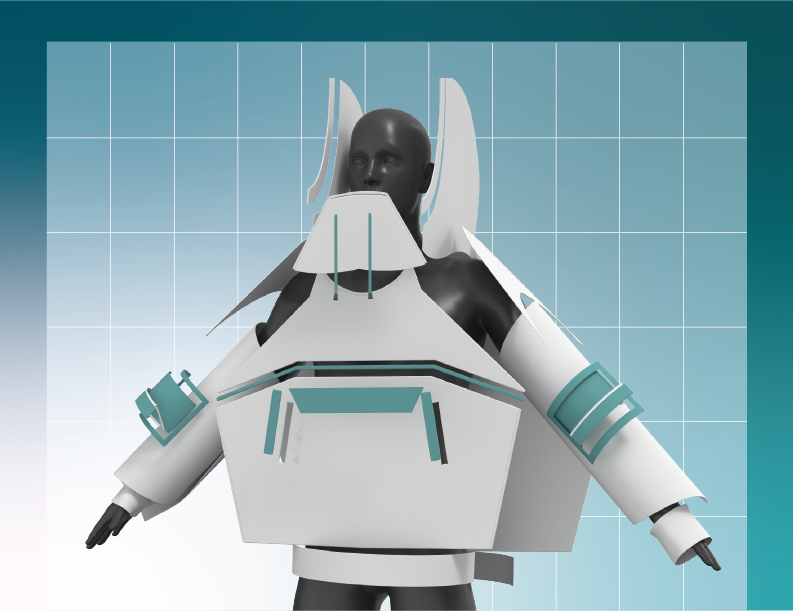
Afterward, I’d evaluate whether pursuing a full four-year bachelor in fashion design degree is the right move to further hone my skills. I would become a highly sought-after professional in the market.
It’s worth noting that some of my colleagues in the industry don’t have a conventional fashion background although they are great fashion creators, they share a passion for fashion but found their own unique paths to get there, different than mine.
What is a 3D designer and modeler?
Well, they work their magic in the digital realm. Here’s the scoop: A 3D designer is fashion creator that brings virtual clothing to life using software like Clo3D or Browzwear. They get to the nitty-gritty, defining every detail of a garment, from its shape and appearance to the fabrics, colors, buttons, zippers, and textures. Once they’ve got the 3D model of the garment sorted, they can twist it and turn it to see how it looks from all angles and make any necessary tweaks.
Now, with the rise of powerful design software like Browzwear and Clo 3D, you’ve got a world of possibilities at your fingertips. You can virtually use or create patterns, stitch them together, fine-tune the fit, and even create custom avatars. It’s a game-changer for the fashion industry because it saves time, effort, and money.
Whether you’re dreaming of working for a fashion tech startup, a small design company, or diving into the world of 3D modeling, it’s more doable than ever to bring fashion into the exciting realm of 3D.
